
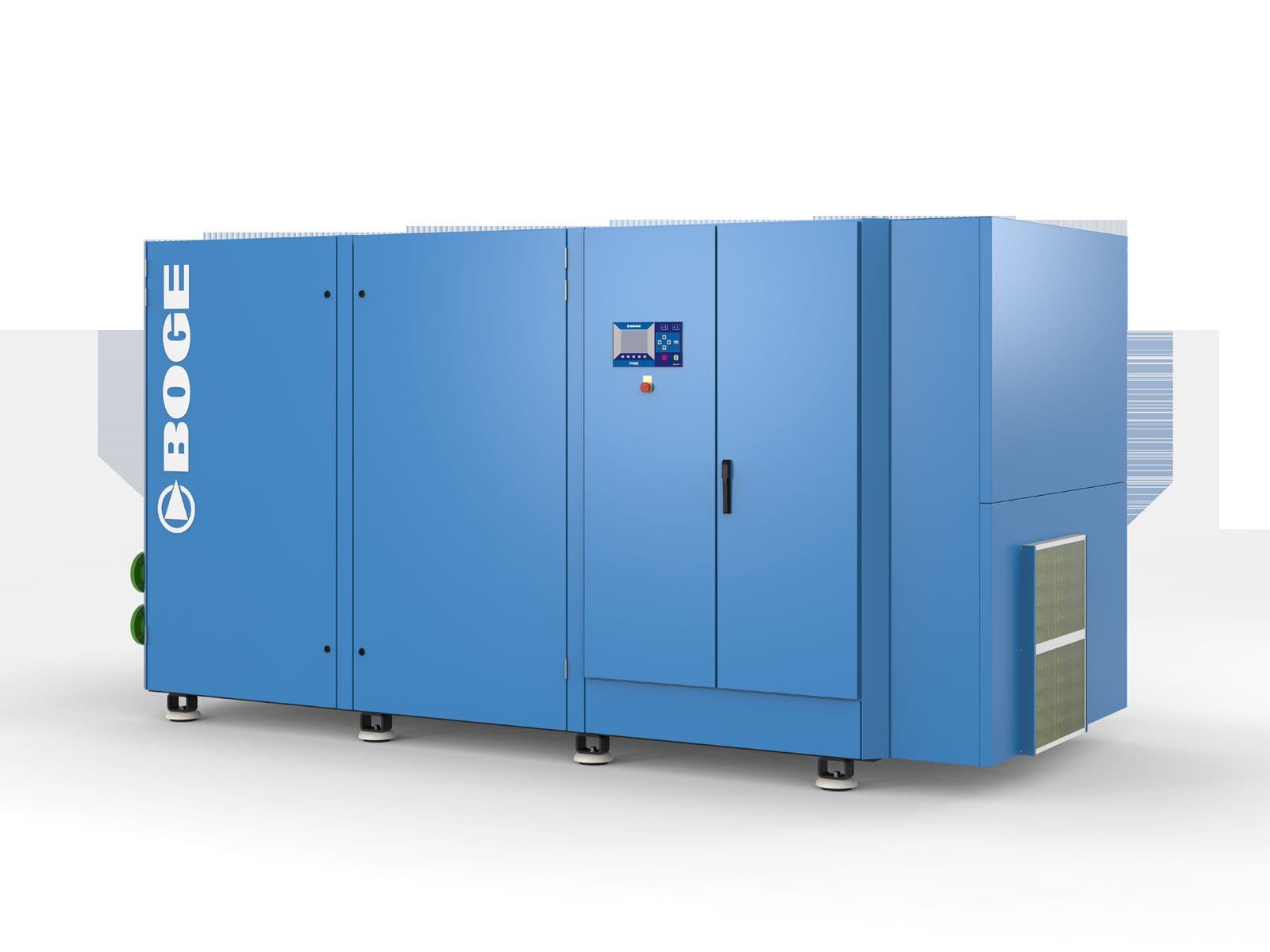
Air compressors come with inherent risks if not handled with care. From high-pressure hazards to noise exposure, improper handling or maintenance can lead to accidents, equipment damage, or worse. Creating a safe work environment goes beyond basic installation and routine checks: it calls for a proactive approach and advanced safety practices.
(Note: In a previous article, we outlined foundational safety practices for air compressors, including proper installation, regular maintenance, and workplace compliance. These essential steps form the basis of a safe and efficient operation. However, for comprehensive safety, facilities must also implement advanced practices to protect both personnel and equipment.)
Training Requirements for Operators
One of the most effective ways to mitigate risks is by thoroughly training your operators. Compressed air systems are complex, and poorly operators can inadvertently mishandle equipment, leading to dangerous outcomes. Comprehensive training programs should cover:
- Understanding Controls: Ensure operators are familiar with all controls, safety devices, and indicators on the air compressor. This knowledge is critical for identifying issues and operating the system safely.
- Emergency Procedures: Train personnel on how to handle emergencies like pressure surges, hose bursts, or power failures. Operators should know how to perform an emergency shutdown safely.
- Personal Protective Equipment (PPE): Equip operators with the right PPE, like hearing protection, safety goggles, and gloves, to keep them safe from noise, hot surfaces, and high-pressure air hazards.
Safe Handling of High-Pressure Components
Compressed air systems operate at high pressures, and adopting the following measures is crucial:
- Secure Connections: Always check that all hoses, fittings, and connections are secure before turning on the system. Loose connections can result in dangerous bursts of air.
- Avoid Kinks: Do not use kinked or damaged hoses, as they can create weak points prone to bursting under pressure. Replace damaged components immediately.
- Avoid Direct Air Contact: Never use compressed air to clean clothing or blow debris off personnel. Even low-pressure air can cause serious injuries.
Ensure Adequate Ventilation and Monitor Air Quality
Ventilation is important for maintaining air quality and preventing overheating in compressed air systems. Poorly ventilated areas can trap heat and harmful fumes, posing risks to operators:
- Maintain Proper Ventilation: Ensure the compressor is installed in a well-ventilated area to dissipate heat effectively and prevent oil vapour buildup.
- Monitor Air Quality: In applications like food processing, use air quality monitoring systems to detect and address contaminants. Proper filtration and monitoring ensure compliance with safety standards.
Also Read-
How to Extend the Life of your Industrial Air Compressors
Exploring the Essential Role of Air Compressors in Modern Breweries
Noise Control Measures
Air compressors are known for generating high levels of noise, which can lead to hearing damage over time. To minimize noise hazards:
- Install Mufflers: Use noise dampening devices or mufflers to reduce the sound output from the compressor.
- Provide Hearing Protection: Ensure all personnel working near the compressor wear earmuffs or earplugs to prevent long-term hearing loss.
Regular Pressure Relief Valve Testing
The pressure relief valve is a critical safety feature that prevents over-pressurization. Regularly test this valve to make sure it functions correctly and can safely release pressure when needed.
Establish Emergency Shutdown Procedures
Despite all precautions, emergencies can still occur. A well-defined and practiced emergency shutdown procedure is essential:
- Accessible Shutoff Switch: The emergency shutoff switch should be clearly labeled and easy to reach.
- Operator Training: Train personnel on the specific shutdown procedures for each compressor, including how to safely depressurize the system.
- Routine Drills: Conduct regular drills to reinforce emergency protocols and improve response times.
Safety is an ongoing commitment, and implementing these measures ensures a safer and more efficient operation. If you haven’t already, revisit our first article on air compressor safety for a full guide on safety best practices.
Looking to take your air compressor safety to the next level? CRU Air + Gas is here to help. From tailored training programs to maintenance services, we offer comprehensive solutions to keep your operations safe and compliant. Contact us today to discuss how we can support your safety initiatives and keep your equipment running smoothly.