
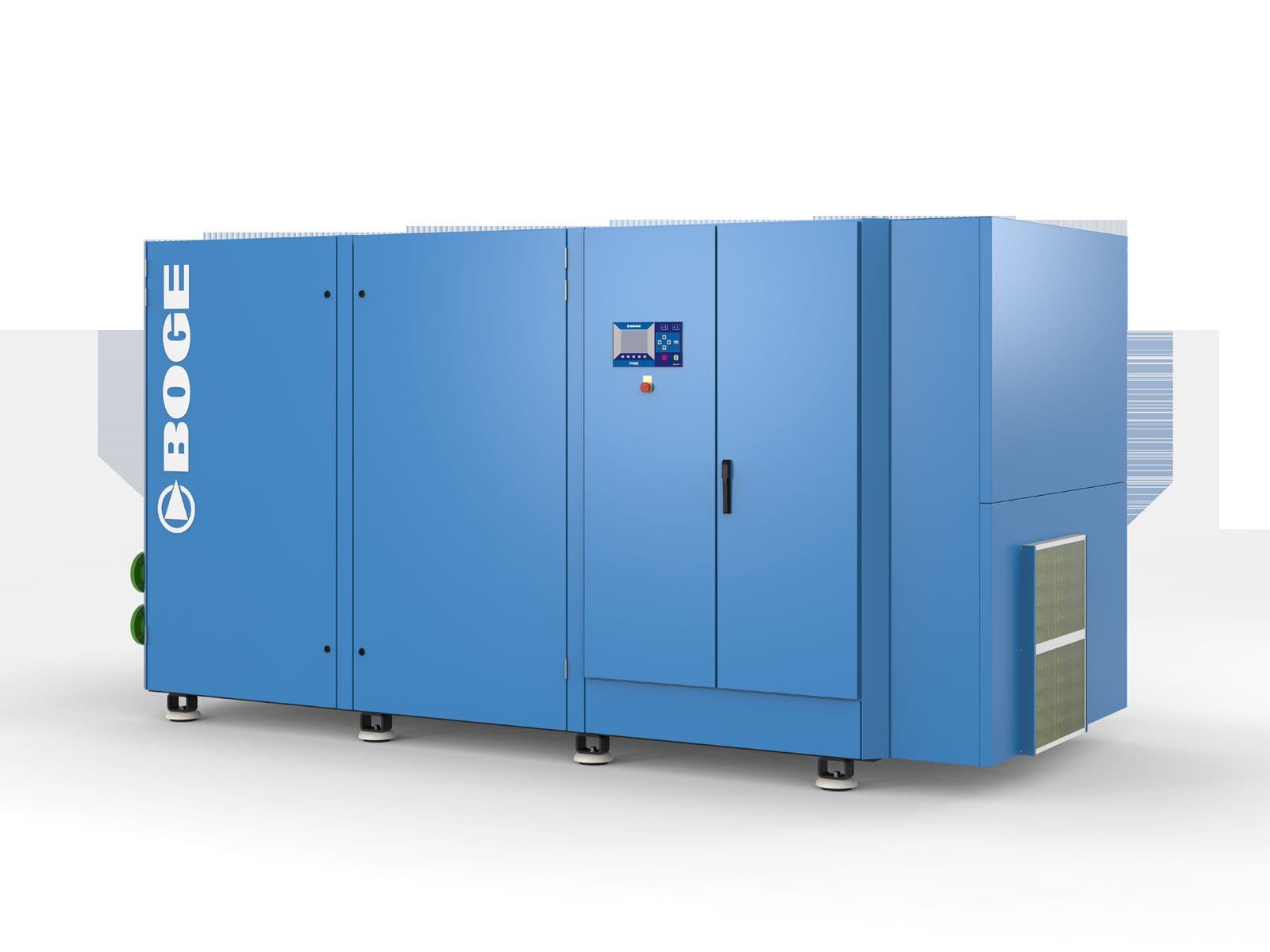
Air compressors are a staple in many industrial facilities, providing the power needed for several tools, machinery, and processes that even seasoned plant manager might not be able to list. They also pose some safety risks if not handled properly. Air compressor safety is essential for the wellbeing of your team and for the longevity of your equipment.
Safety Hazards with Air Compressors
Understanding the safety hazards associated with air compressors is the first step to ensuring a secure environment for operators.
Some of the primary risks include:
- High-Pressure Hazards: Air compressors generate high-pressure air, which can cause serious injuries if hoses burst or fittings fail. It’s important to remember that even minor leaks can be hazardous due to the extreme force of compressed air.
- Overheating and Fire: Air compressors generate heat as they compress air. If the cooling system fails or the equipment overheats, there is a risk of fire. Flammable lubricants or other materials near the compressor can increase this risk.
- Electrical Hazards: Poor wiring or faulty electrical components can lead to electrical shocks or fire. Making sure your compressor is installed by qualified technicians and regularly inspected for wiring issues is critical.
- Noise Hazards: Air compressors can produce significant noise, which can lead to hearing damage over time. Exposure to high decibel levels without hearing protection is a potential occupational hazard.
- Inhalation Risks: Some compressors release oil vapours or other contaminants. In poorly ventilated areas, these contaminants can accumulate and pose health risks if inhaled by operators.
Best Practices for Air Compressor Safety
To mitigate these hazards and protect both your team and your equipment, consider adopting the following best practices.
- Proper Installation and Setup
The foundation of air compressor safety starts with the correct installation. Make sure your compressor is installed by a qualified professional according to manufacturer recommendations and industry standards.
Here are key points to consider during installation:
- Level Surface: Install the compressor on a stable, level surface to minimize vibration and make sure it runs smoothly.
- Proper Ventilation: Air compressors produce heat during operation, and proper ventilation is essential to prevent overheating. Install the compressor in a well-ventilated space to allow for adequate airflow.
- Adequate Clearance: Ensure there is enough clearance around the compressor for regular inspections, maintenance, and airflow. This also allows operators to work comfortably and reduces the risk of accidental contact with hot surfaces.
- Regular Inspections and Maintenance
Routine inspections and maintenance are critical for preventing potential hazards and ensuring reliable compressor performance. Establish a maintenance schedule that includes:
- Daily Inspections: Conduct a quick visual inspection before each use. Check for leaks, unusual noises, or damaged components. Ensure all safety guards are in place.
- Filter Changes: Keep air filters clean and replace them regularly to maintain optimal airflow and prevent overheating.
- Drain the Receiver Tank: Moisture can accumulate in the receiver tank, leading to rust or corrosion. Make it a habit to drain the tank regularly to prevent damage.
CRU Air + Gas provides predictive maintenance services that help keep your air compressors in safe working condition, minimizing the risk of unexpected failures. Explore our predictive maintenance solutions here.