
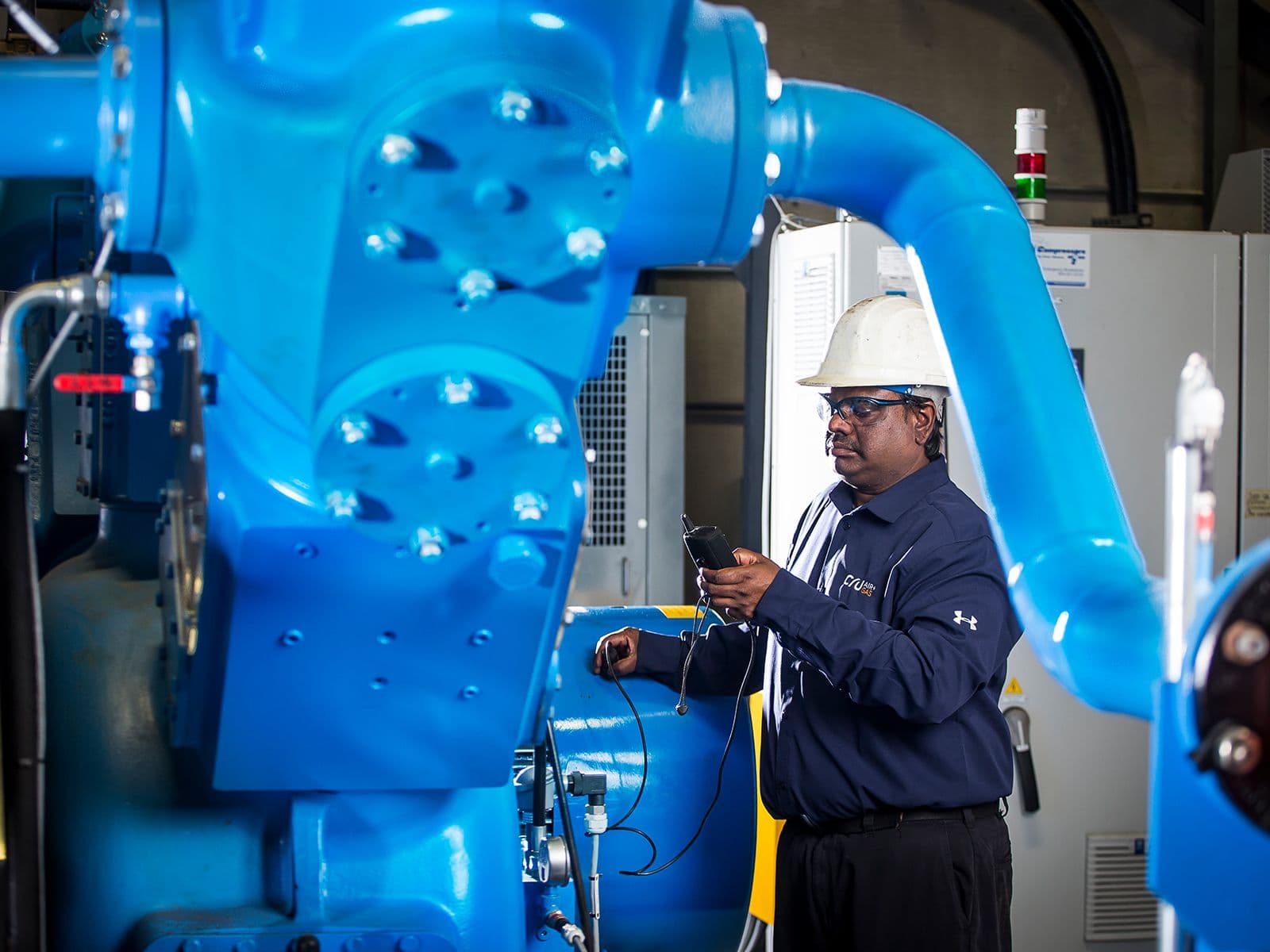
Industrial air compressors are a critical component in many manufacturing and processing facilities, playing a vital role in powering pneumatic tools, providing process air, and supporting various operations. However, these essential pieces of equipment can be expensive to replace or repair when they fail prematurely. Fortunately, with the right care and maintenance, you can significantly extend the lifespan of your compressors. Here are some practical strategies to help you get the most out of your investment and keep your facility running smoothly.
- Follow a Regular Maintenance Schedule
While it sounds obvious, it bears repeating that regular maintenance is the cornerstone of extending the life of your industrial air compressors. If you don’t already have one, the first thing to do is to put in place a comprehensive maintenance schedule that includes routine inspections, cleaning, and servicing. Here’s what to focus on:
- Daily Checks: Monitor pressure and temperature levels each day to ensure they are within the recommended range. Check for unusual sounds, vibrations, or leaks.
- Weekly Inspections: Inspect filters, belts, and hoses for wear and tear. Clean the intake vents and coolers to prevent dust and debris from accumulating, which can reduce efficiency.
- Monthly Servicing: Check the compressor’s oil levels and top up if necessary. Inspect the oil for signs of contamination, and change it as recommended by the manufacturer. Ensure all safety features, like pressure relief valves, are functioning correctly.
- Annual Overhaul: Conduct a thorough inspection of all components, including the motor, bearings, seals, and valves. Replace any worn or damaged parts and calibrate the system to the manufacturer’s specifications.
- Use Quality Parts and Lubricants
Using high-quality parts and lubricants is essential for maximizing the lifespan of your compressors. Cheap, low-quality parts can wear out quickly and cause damage to your equipment. Ensure that all replacement parts, from filters to seals, are approved by the compressor’s manufacturer.
Similarly, use the correct type of lubricant recommended for your specific compressor model. Lubricants reduce friction between moving parts, minimizing wear and heat buildup. Regularly check and replace the oil and filters to keep your compressor running smoothly.
- Monitor and Control Operating Conditions
Compressors are designed to operate within specific parameters. Pushing them beyond these limits can speed up wear and tear. To extend the life of your compressors, monitor and control the following operating conditions:
- Temperature: Compressors generate a lot of heat. Adequate ventilation and cooling are necessary to prevent overheating. If the compressor is exposed to high ambient temperatures, consider installing additional cooling systems or relocating it to a cooler area.
- Pressure Levels: Avoid running your compressor at maximum pressure for extended periods. Over-pressurization can strain components and lead to failures. Use pressure regulators to maintain a consistent and optimal operating pressure.
- Load Variations: Minimize sudden load changes and avoid frequent starts and stops, as these can stress the motor and other components. Instead, try to run the compressor at a steady load whenever possible.
- Train your Team
Training is key to ensuring that the personnel operating your compressors understand how to use them correctly. Regularly train your team on:
- Operating Procedures: Ensure that all operators are familiar with the correct operating procedures, including start-up and shutdown processes.
- Maintenance Practices: Teach maintenance staff how to perform routine checks and services effectively. Ensure they know how to identify potential issues early, like unusual sounds, vibrations, or leaks.
- Safety Protocols: Educate your team on safety protocols to prevent accidents and ensure compliance with regulations. This includes understanding how to handle emergencies like pressure surges or equipment failures.
- Implement a Preventive Maintenance Program
A preventive maintenance program involves proactive monitoring and maintenance of the compressor to prevent problems before they occur. These programs should include:
- Vibration Analysis: Regularly monitor the compressor for unusual vibrations, which can indicate imbalances or misalignments.
- Infrared Thermography: Use infrared thermography to detect hotspots that may indicate overheating components or electrical issues.
- Oil Analysis: Regularly analyze the compressor’s oil for contaminants and degradation. This helps in detecting issues like bearing wear or the presence of moisture, which can cause significant damage.
(If you’d like to read more about preventive maintenance and predictive analysis, please visit this article: Industrial Gas Equipment Longevity and Performance Depends on Predictive Maintenance)
- Optimize System Efficiency
Consider the following tips to optimize your system:
- Eliminate Leaks: Air leaks can significantly reduce compressor efficiency, causing it to work harder and wear out faster. Conduct regular leak detection tests and repair any leaks promptly.
- Use Variable Speed Drives (VSDs): Variable speed drives adjust the compressor’s speed to match the demand, reducing energy consumption and wear.
- Right-Sizing Compressors: Ensure that the compressor is appropriately sized for the application. An oversized compressor can lead to unnecessary energy consumption and increased maintenance costs.
If you need help with maintaining or optimizing your compressors, we at CRU AIR + GAS offer expert support and service solutions tailored to your needs. Our certified technicians are ready to assist you with maintenance programs, high-quality parts, and efficient solutions to keep your compressors running at peak performance. Reach out to us today via our contact page to schedule a consultation.