
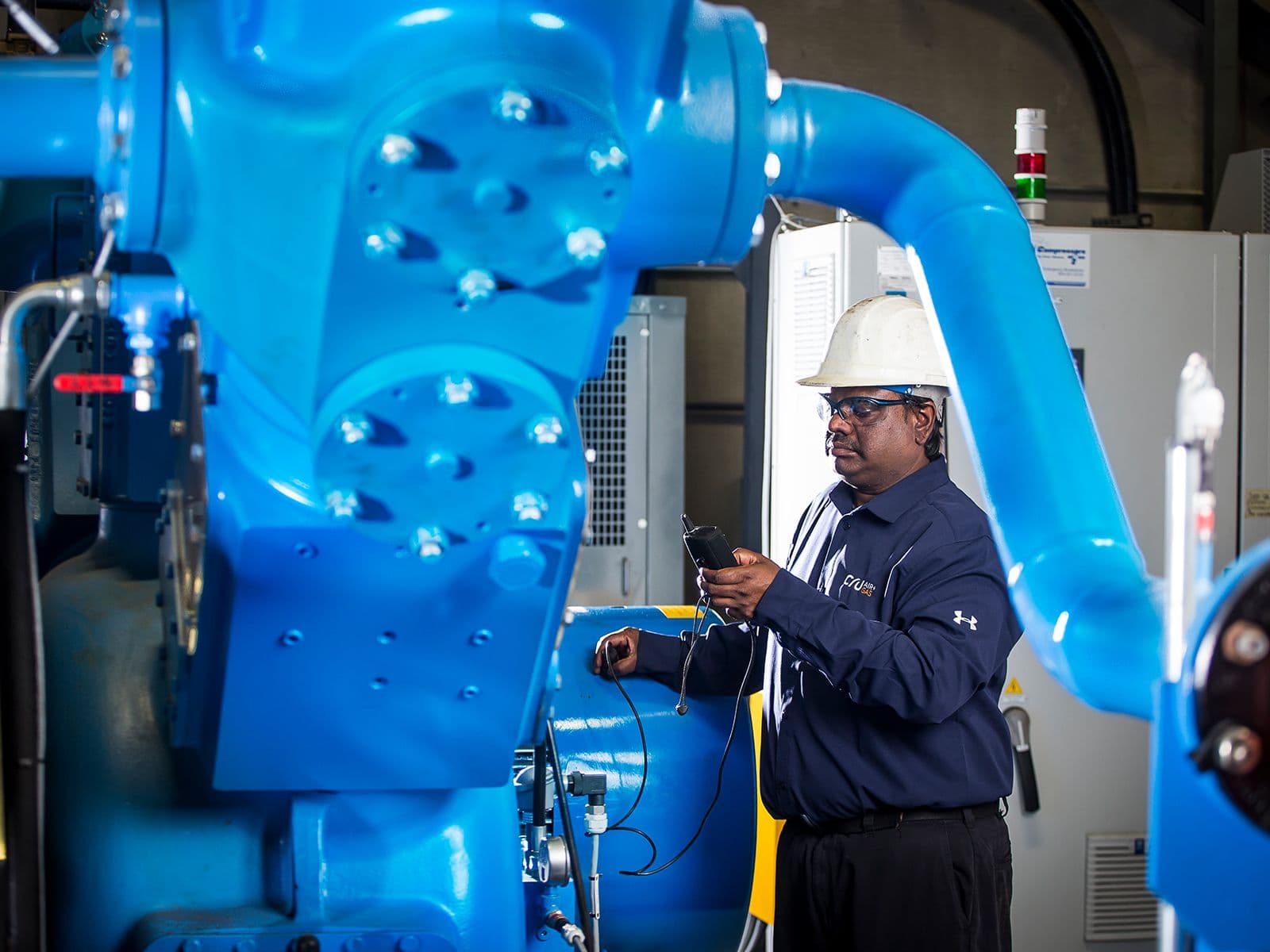
To truly activate the sustainability potential of your compressed air systems, you’ll need to evaluate advanced strategies like heat recovery, and pressure optimization, practical activations that can help reduce energy waste, improve efficiency, and support broader environmental initiatives. Let’s take your sustainability efforts to the next level.
Heat Recovery: Capturing Energy to Reduce Waste
Did you know that over 90% of the energy used in air compression is converted to heat? Without a recovery system, this energy is often lost, dissipating into the environment. However, facilities can turn this loss into an opportunity.
How Heat Recovery Works
Heat recovery systems capture the thermal energy generated during air compression and repurpose it for other applications, like space heating, water heating, or pre-heating materials for manufacturing processes. By redirecting this heat, facilities can reduce their reliance on separate heating systems, cutting down on energy costs and carbon emissions.
- Sample Application:
In colder climates, (like Canada) facilities can use recovered heat for space heating during winter months, significantly lowering the demand on traditional heating systems and associated carbon tax. This reduces energy consumption and directly contributes to sustainability targets.
- Actionable Tip:
If your facility isn’t yet utilizing a heat recovery system, it may be time to consider an upgrade. CRU Air + Gas can help evaluate your current setup and recommend efficient heat recovery solutions tailored to your operations.
Regular Maintenance for Peak Efficiency
Maintenance is often overlooked as a sustainability driver, but its impact on efficiency and energy savings cannot be overstated. Over time, components like filters, valves, and piping can become clogged or worn, increasing the energy required to operate the system effectively.
Benefits of Regular Maintenance
- Improved Efficiency: Clean filters and well-maintained components reduce the effort required by the compressor, leading to lower energy consumption.
- Reduced Downtime: Predictive maintenance helps identify and address potential issues before they result in system failures, ensuring uninterrupted operations.
- Prolonged Equipment Lifespan: Proper upkeep extends the life of compressors and ancillary equipment, reducing waste and the need for replacements.
Further reading:
Predictive vs. Preventative Maintenance, a Refresher on the Fundamentals
Top 3 Predictive Maintenance Techniques to Reduce Downtime in your Facility
Predictive Maintenance Programs
Implementing a predictive maintenance (PdM) program is a proactive approach to achieving peak efficiency. PdM uses data from sensors and diagnostics to monitor equipment health and detect signs of wear or inefficiency early.
CRU Air + Gas offers comprehensive predictive maintenance services designed to keep your compressed air systems running efficiently and sustainably.
Learn more about our maintenance solutions here.
Pressure Optimization: The Hidden Energy Saver
Many facilities run their compressed air systems at higher pressure levels than necessary, believing this adds a safety margin. In reality, this practice wastes energy and adds unnecessary strain on the system.
The Impact of Pressure Adjustments
For every 2 PSI (pounds per square inch) reduction in system pressure, energy consumption can decrease by approximately 1%. By conducting a pressure audit, you can identify opportunities to lower system pressure without sacrificing performance.
- Sample Application:
A facility operating at 100 PSI may be able to reduce its pressure to 90 PSI for certain processes, saving energy and reducing wear on equipment while maintaining operational requirements.
- Actionable Tip:
Work with an expert to determine the minimum pressure levels needed for optimal performance in your operations. Properly sizing and regulating air pressure can deliver significant energy savings. If you’re looking for support, we at CRU Air + Gas are here to help.
Practical Steps to Implement Sustainability
- Conduct an Energy Audit
Start by assessing the current energy consumption of your compressed air system. An audit will help you identify inefficiencies like leaks, over-pressurization, and heat loss, allowing you to prioritize improvements. - Set Measurable Goals
Define specific sustainability targets, such as reducing energy consumption by 10% or cutting air leaks by 50%. Clear goals provide direction and benchmarks for success. - Train Employees
Educate your team on sustainable practices, like recognizing air leaks, properly shutting down equipment, and maintaining optimal pressure levels. Employee engagement is key to long-term success. - Partner with Experts
Collaborating with a knowledgeable partner like us at CRU Air + Gas ensures that your compressed air system is optimized for sustainability. From energy audits to predictive maintenance programs, our team has the expertise to help.
Ready to take your compressed air sustainability goals to the next level? CRU Air + Gas offers tailored solutions to optimize your systems for efficiency and sustainability. Contact us today to schedule an energy audit or learn how we can help you integrate these strategies into your operations. Together, we can build a more sustainable future.