
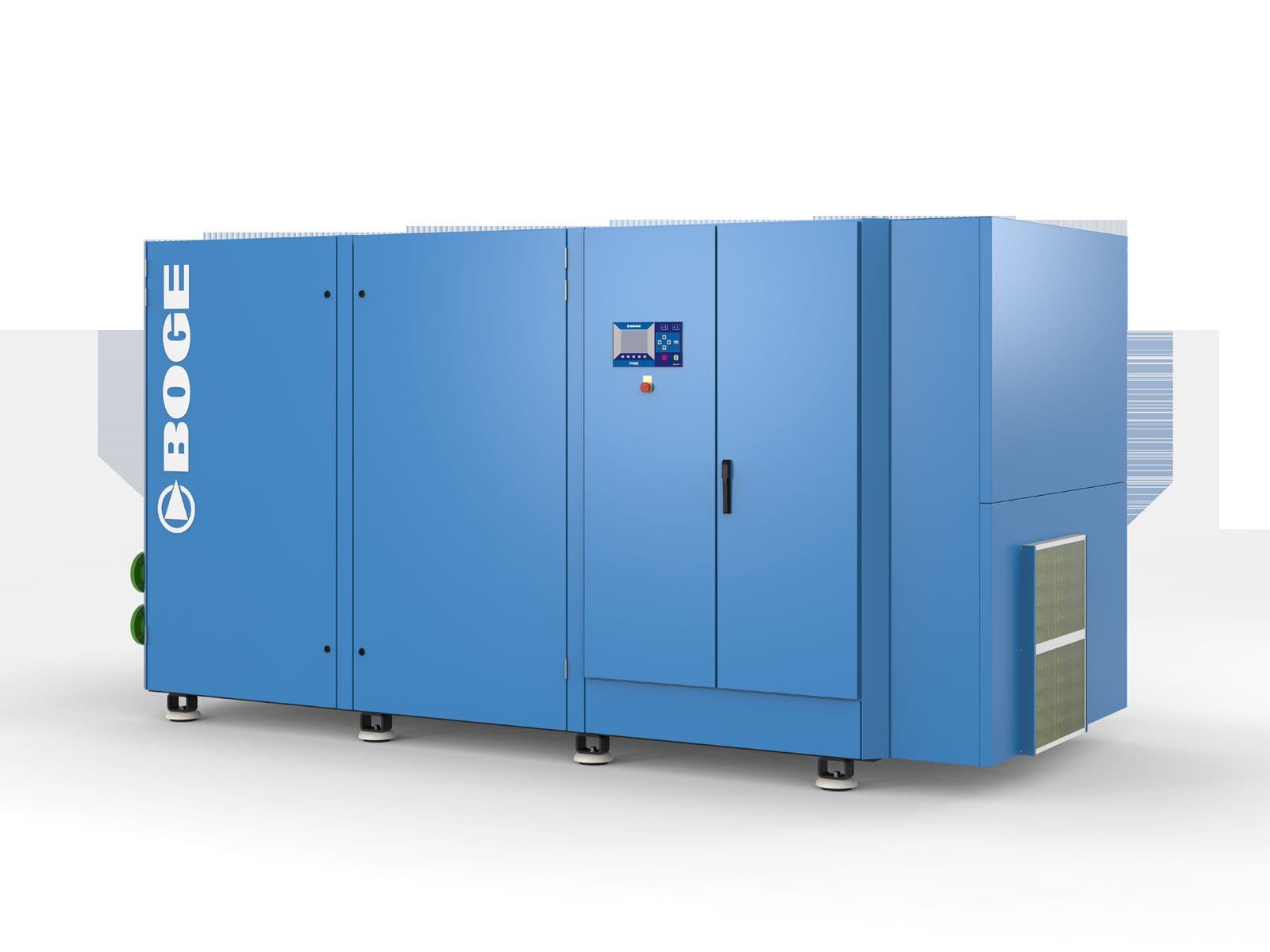
Compressed air systems are an integral part of many industrial operations. From pneumatic tool power through critical production line maintenance, their reliability is non-negotiable. But even the best systems are susceptible to one silent but expensive problem: air leaks. If left unchecked, leaks can waste your resources, shorten equipment life and drastically raise energy bills.
Detecting and repairing leaks in your compressed air system is not only close to maintenance level but is, in the end, the basis of operational efficiency and cost control.
Here’s Why Air Leaks Are a Hidden Threat
Air leaks often go unnoticed. A gentle hiss doesn’t seem like much, but it can rack up quickly. In reality, according to studies, a normal establishment loses 20–30% of its compressed air via leaks. For plants with commercial air compressors, that would mean thousands of dollars of lost revenue each year.
In addition to financial waste, leaks can lead to:
- Tool Efficiency Degradation: Varying system pressure causes low efficiency, resulting in poor functioning of the tool.
- Tighter Wear on Equipment: Excessive demand from pressure spikes causes irreparable strain on compressors, speeding up wear and fattening up maintenance and repair requirements.
- Malfunctioning: Malfunctioning can pose severe challenges and safety hazards, especially in industries like automotive manufacturing, food and beverage processing, and pharmaceuticals.
Common Causes of Air Leaks
A compressed air system can have multiple components with leaks in them. These include:
- Fittings and pipe joints.
- Flexible connections and hoses.
- Shut-off valves and pressure regulators
- Filters, dryers and lubricators.
- Worn-out seals and gaskets.
The problems can be made worse by aging equipment, improper installation or negligence of maintenance. This is why periodic inspections are a regular aspect of your facility management plan.
Methods to Detect Leaks
Some leaks can only be heard, and some leaks can only be seen, so it requires more sophisticated means. Here’s how to identify them effectively:
- Ultrasonic Leak Detection: This is another efficient tool that detects leaks with high-frequency sound waves. It’s perfect for high-decibel environments and can catch even the teeniest pressure leaks.
- Soap and Water Test Use: Soapy water over joints and check for bubbles. This is very effective and simple for localized leak detection, especially during the downtime of the equipment.
- Pressure Drop Monitoring: Monitoring pressure levels during non-working times can detect concealed leaks. In that case, if the system has the pressure dropped overnight a leak is likely.
- Flow Meter Analysis: Place flow meters at each zone to monitor air use. Deviations in readings can pinpoint leak-prone locations.
- Visual Inspection: A trained eye can often identify cracked hoses or corroded pipes. This technique is pretty simple, but it works well for catching obvious issues.
Also Read:
Key Features to Consider When Purchasing Air Compressors!
Air Compressor Safety Best Practices to Protect your Team and Equipment
How to Repair Air Leaks and Keep Efficiency
Once detected, repair leaks efficiently:
- Repair or Replace Components
Replace damaged hoses, connectors and seals immediately. Use fittings that are as leak-resistant as possible.”
- Tighten Loose Connections
Make sure all joints and valves are sealed. A wrench and thread sealant will take you far.
- Improve System Layout
Piping that is too long or complex adds more points of pressure than previously available. Restructuring your system layout can minimize the threat of leaks.
- Build Leak Detection Systems
Real-time leak detection can be done using sensors, such as CARMA (Compressed Air Remote Monitoring Applications) for continuous monitoring.
- Establish Preventative Maintenance Programs
Maintenance checks need to be regular. Regular inspections performed by a qualified technician will detect potential leaks before they develop into a serious problem.
What This Means for Air Compressor Users
If you run a facility that relies on commercial air compressors, eliminating air leaks isn’t optional: it’s essential. Cold climates, rising energy costs, and strict industrial standards demand highly efficient systems. Choosing the right equipment, like the solutions offered by CRU AIR + GAS, can help you significantly boost operational performance.
Whether it’s an industrial air compressor powering your assembly line or a PET compressor serving your bottling plant, leak prevention should always be a top priority.
CRU AIR + GAS: the Investment that Brings Long-Term Efficiency
With more than 20 years of proven expertise, CRU AIR + GAS has established a strong reputation in the world of compressed air. We don’t just sell high-end gear: we provide the assurance and performance you can count on when it matters most. We keep everything running, from sales and rentals to emergency repairs, to preventative maintenance.
Serving a myriad of industries, including aerospace, plastics, oil & gas, metal fabrication and food, we’re here for you from upgrading your system to leaking repair.
Reduce downtime & operational costs with CRU AIR + GAS.