
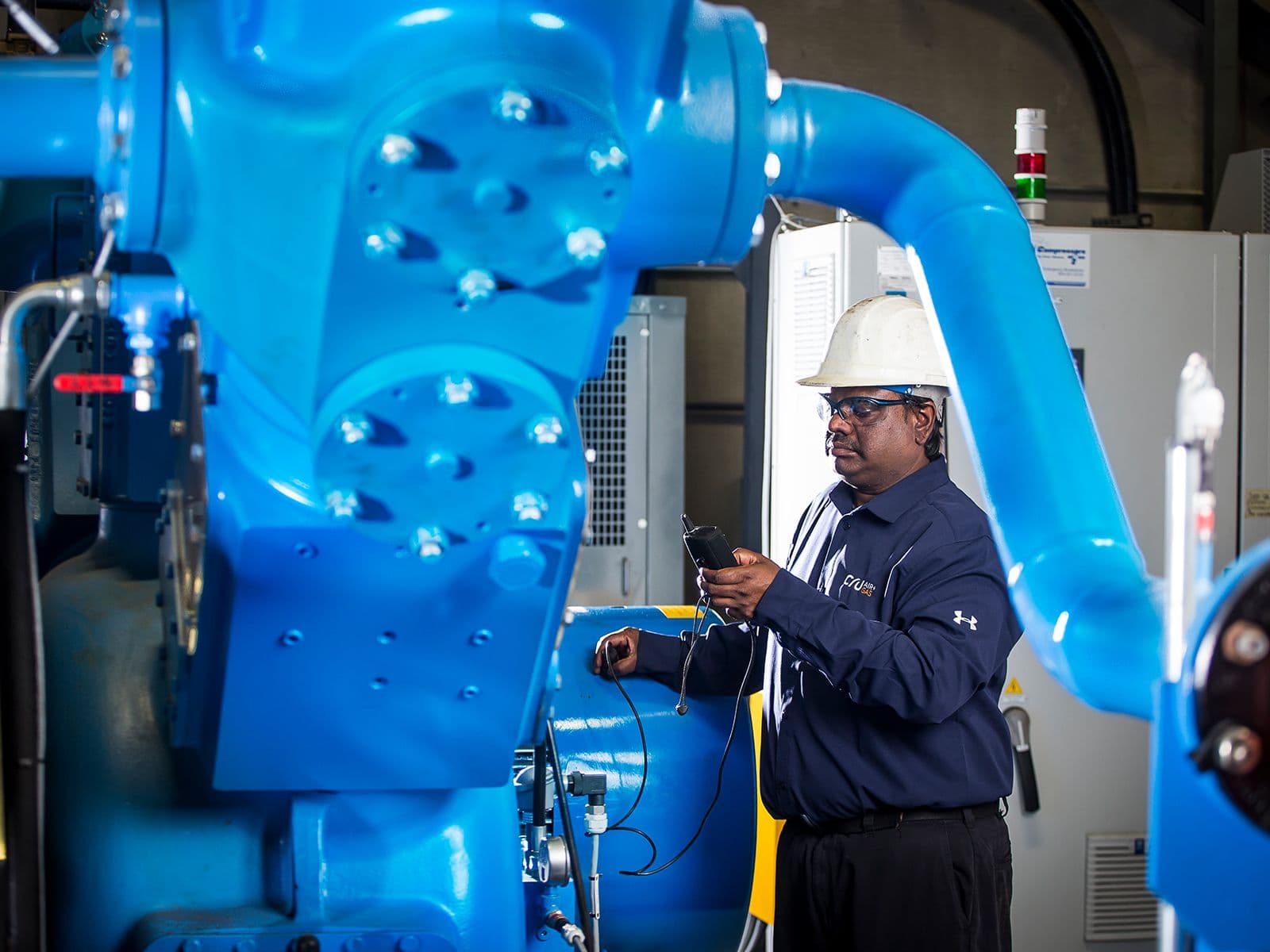
Sustainability is a cornerstone of industrial growth, as companies strive to reduce their environmental impact while enhancing operational efficiency. Compressed air systems, which are often the backbone of many industrial facilities, have a significant role to play in supporting sustainability goals. By optimizing compressed air usage, minimizing energy waste, and incorporating best practices, facilities can make substantial contributions to their environmental objectives.
Understanding the Sustainability Challenges of Compressed Air Systems
Compressed air systems are among the most widely used utility systems in manufacturing and industrial operations, powering tools, equipment, and processes. However, they are also among the most energy-intensive systems, often accounting for up to 30% of a facility’s total energy usage. This presents a challenge: how to harness the convenience and power of compressed air systems while minimizing their energy footprint.
The reality is that compressed air is not free: it is one of the most expensive forms of energy in an industrial facility. The inefficiencies associated with compressed air systems, like leaks, excessive pressure levels, and improper maintenance, can add up to major energy waste and higher costs.
Optimizing Compressed Air Systems for Sustainability
- Leak Detection and Repair
One of the most significant opportunities for reducing energy consumption in compressed air systems is through leak detection and repair. Leaks are a common problem, with studies suggesting that 20-30% of compressed air in industrial systems can be lost to leaks if left unaddressed.
Every cubic foot of air lost through leaks represents wasted energy that the compressor must work to replace. This drives up energy costs and increases the environmental impact of the facility. By implementing a regular leak detection program and repairing leaks promptly, facilities can significantly reduce energy usage and waste.
CRU Air + Gas offers comprehensive leak detection as part of our predictive maintenance services, helping facilities minimize energy loss and contribute to sustainability efforts. Learn more about our predictive maintenance solutions here.
- Energy-Efficient Compressors
Investing in energy-efficient compressors is another way to enhance the sustainability of a compressed air system. Modern compressors come equipped with variable speed drives (VSDs), which allow the compressor to adjust its speed based on the air demand. This flexibility means that the compressor only works as hard as necessary, avoiding the wasted energy that comes with running at full speed when demand is low.
Upgrading to a variable speed compressor can result in energy savings of up to 35% compared to traditional fixed-speed models. This reduces operational costs and contributes to lower carbon emissions, an essential aspect of any sustainability initiative.
As we are establishing here, compressed air systems play a crucial role in supporting sustainability efforts within industrial facilities. Systems optimization is at the core of the effort. There are a few other ways besides leak detection and energy efficiency to impact your sustainability goals surrounding compressed air systems.
We’ll post a second part to this article that covers heat recovery, and regular maintenance, among other things, that companies can do to significantly reduce energy consumption, minimize waste, and lower carbon footprint.
If you’re looking to make your compressed air systems more sustainable and energy-efficient, we at CRU Air + Gas can help. Our team of experts offers energy audits, maintenance programs, and advanced solutions for improving system performance and reducing your environmental impact. Contact us today to learn how we can support your sustainability journey while keeping your operations running smoothly and efficiently.