
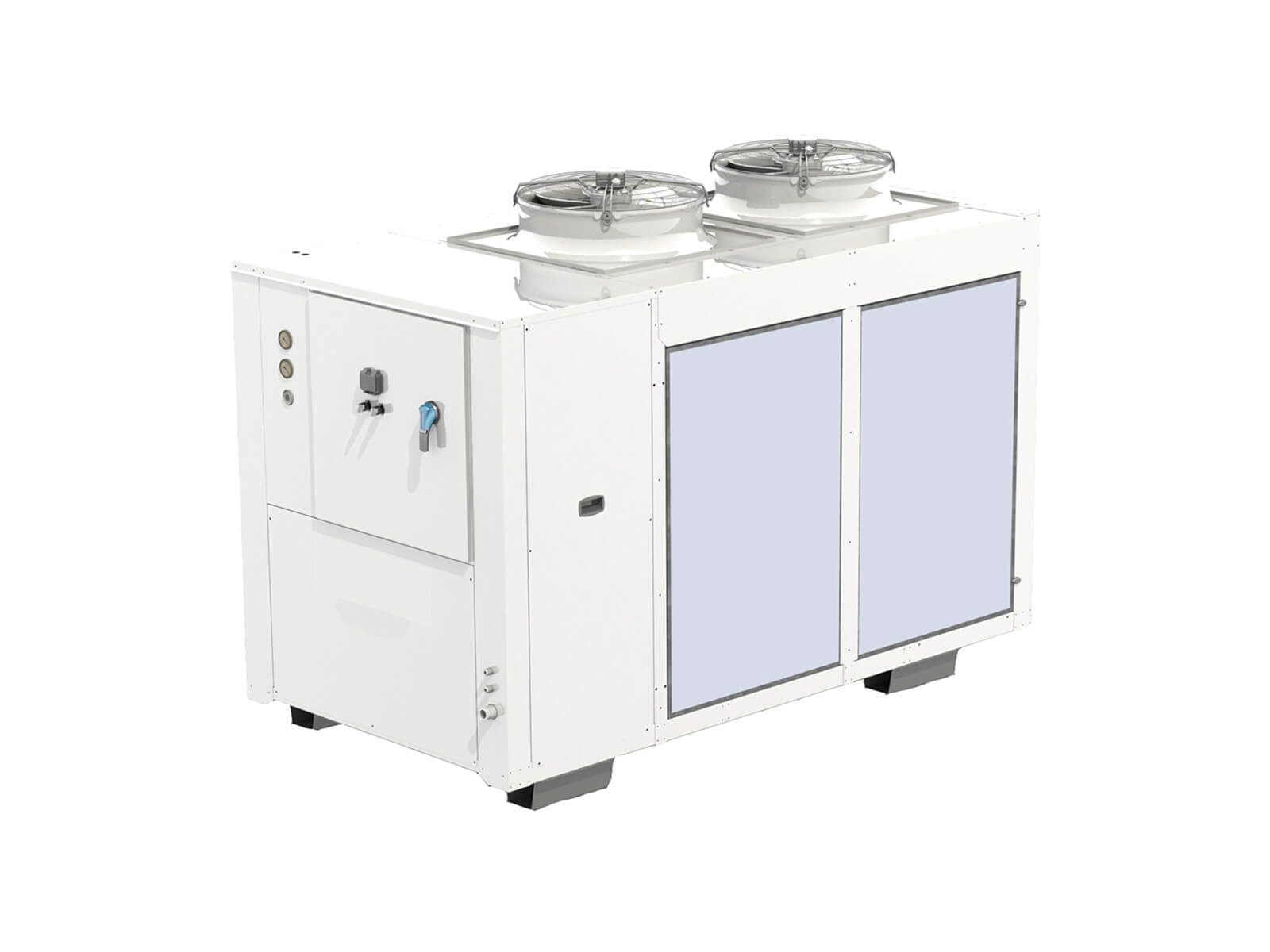
If you’re running an industrial operation, you already know that a reliable process chiller is essential for maintaining consistent production quality, extending equipment lifespan, and optimizing energy use. But with so many options on the market, choosing the right process chiller for your specific needs can be daunting. This guide will walk you through the critical factors to consider when selecting a process chiller, helping you make the best choice for your facility’s requirements and constraints.
Key Factors to Consider When Choosing a Process Chiller
- Determine your Cooling Capacity Needs
The cooling capacity of a process chiller is important for maintaining the desired temperature control for your application. Under-sizing a chiller can lead to inadequate cooling, compromising product quality and equipment longevity. Conversely, over-sizing can increase operational costs and reduce energy efficiency.
Start by calculating the total heat load of your process, taking into account all the components that contribute to the thermal load, such as equipment, environmental conditions, and the specific thermal properties of the materials involved. Cooling capacity is typically measured in tons of refrigeration or kilowatts; ensure that the chiller you choose can handle the maximum heat load under peak operating conditions.
- Match the Chiller Type to Your Application
Different types of process chillers are suited to different applications and operational environments:
- Air-Cooled Chillers: Ideal for facilities where water is scarce or expensive, or where ease of installation and lower upfront costs are priorities. However, they may be less efficient in hot climates and may need a lot of space for ideal ventilation.
- Water-Cooled Chillers: Best for high-capacity applications or environments where water resources are easily available. They offer superior energy efficiency compared to air-cooled models but require additional infrastructure like a cooling tower and water treatment systems.
- Glycol Chillers: Used for applications requiring very low temperatures or where freezing protection is critical, such as breweries, food processing, and certain chemical processes. Glycol chillers are versatile and can provide precise temperature control, even in sub-zero conditions.
- Portable Chillers: Suitable for temporary cooling needs, emergencies, or applications where flexibility is required. These units are easy to deploy and move around, offering quick solutions without permanent installation.
- Evaluate Temperature Control Requirements
Precise temperature control is vital in many industrial processes, from plastics manufacturing to pharmaceuticals. Consider the level of temperature accuracy your process demands. Some applications may only need basic cooling, while others require highly accurate temperature settings to within a fraction of a degree.
Look for chillers with advanced control features, such as programmable controllers, remote monitoring capabilities, and adjustable setpoints, to maintain tight temperature tolerances. If your processes require frequent temperature adjustments, consider chillers with user-friendly interfaces that simplify control.
- Consider Space and Installation Constraints
Assess the physical space available for your chiller and its surrounding infrastructure. Air-cooled chillers need sufficient airflow and should be placed in well-ventilated areas to function effectively, while water-cooled chillers require a dedicated space for a cooling tower and water treatment systems.
Evaluate how easy it will be to integrate the chiller into your existing setup. Look for compact, modular designs that simplify installation, especially if your facility has space limitations or complex layouts. Ensure the chosen unit fits through doorways and has the proper clearances for maintenance access.
- Focus on Energy Efficiency
Energy efficiency is a key consideration for lowering operational costs and supporting sustainability goals. When comparing chillers, pay attention to:
- Energy Efficiency Ratio (EER) or Coefficient of Performance (COP): Higher values indicate better efficiency. Look for chillers with features like variable speed drives (VSDs), energy-efficient compressors, and low-pressure-drop designs to optimize energy use.
- Refrigerant Type: Choose chillers that use environmentally friendly refrigerants with low global warming potential (GWP) and ozone depletion potential (ODP) to minimize environmental impact.
- Part Load Efficiency: Consider how the chiller performs under part-load conditions, which is often where most energy savings can be achieved. Chillers that can modulate their capacity to match the load will provide better efficiency in varying conditions.
- Prioritize Maintenance and Serviceability
Easy maintenance and serviceability are critical for minimizing downtime and ensuring long-term reliability. Choose chillers with accessible components and clear service points. Features like quick-access panels, modular components, and integrated diagnostics can significantly reduce maintenance time and costs.
Additionally, consider the availability of local service support and spare parts. Partnering with a supplier that offers reliable after-sales service, maintenance programs, and prompt parts availability can prevent costly downtime and extend the life of your chiller.
- Align with Compliance and Regulatory Standards
Ensure that the chiller you select complies with local environmental regulations, safety standards, and industry requirements. Many regions have specific energy efficiency standards and refrigerant use regulations. Aligning with these standards will help you avoid fines and penalties and ensure your operation meets modern sustainability practices.
Not sure which process chiller is right for your next operational need? Our experts at CRU AIR + GAS are here to help. With years of experience in providing customized cooling solutions, we can assess your specific needs and guide you in selecting the perfect process chiller for your facility. Please use our contact page to schedule a consultation.